
Why “Top 10 Things to Do” Lists Fail Most Travel Planning

“Top 10 things to do” lists are everywhere.
Search any destination and you’ll find dozens of them, often repeating the same attractions, the same advice, the same photos. They’re easy to read, easy to share, and easy to trust.
And yet, many people finish planning their trips feeling overwhelmed, overbooked, or oddly uninspired.The problem isn’t that these lists exist. It’s that they’re treated as universal travel advice for a singular location. The truth is, you can find hundreds of trips in the same place, and the right one often falls outside of these lists.
What “Top 10 Things to Do” Travel Lists Are Actually Good At
For a certain kind of trip, this advice works exactly as intended.
“Top 10” lists are useful when:
you’re visiting a place for the first time
you have limited time
sightseeing is your main goal
you want a quick overview of what’s famous or important
They provide orientation. They reduce fear of missing out. They give structure when you don’t know where to start. For destination-first travellers, this kind of advice can be genuinely helpful to short-list some “must see” attractions or sights.

The Hidden Assumptions Behind Most Travel Lists
Every “Top 10” list is built on a set of quiet assumptions:
you want to sightsee
you have high energy every day
you want to maximise coverage
you’re happy moving constantly
weather and logistics will cooperate
your trip is short and incredibly efficient
None of these assumptions are wrong, necessarily. But they’re not universal, and it’s hard to tick all of the boxes at once. When advice built on these assumptions is applied to a different kind of trip, it starts to fail.
Why These Lists Fail Most Travel Planning
When travellers treat lists as itineraries, planning problems multiply.
Days become overpacked. Decisions increase instead of simplify. Plans collapse when one thing changes. Skipping something feels like failure. Instead of designing a trip that fits their time and energy, people try to live up to an idealised version of travel.
The list didn’t fail.
The mismatch did.
Who This Kind of Travel Advice Actually Works For
“Top 10 things to do” lists work best for travellers who already know where they’re going and want help deciding what to prioritise once they arrive.
These travellers tend to:
enjoy sightseeing
have limited time
like structured days
want reassurance they’re seeing the highlights
For them, these lists feel helpful and calming.
But if you don’t plan trips this way, the same advice can feel oddly stressful — even when nothing is technically wrong with it.
That’s because the advice isn’t universal.
It’s designed around a specific planning style.
(If this feels familiar, this article explains the difference: Two Ways People Plan Trips. And Why Most Advice Only Helps One.)

Why Many Travellers Feel Left Out by Travel Advice
Many people don’t travel to optimise. They travel to slow down, to walk, to eat, to think, to exist somewhere else for a while.
For them, travel advice that focuses on “must-sees” and “highlights” feels like homework. Planning becomes a task instead of anticipation.
Often they assume:
“I must be bad at planning.”
They’re not. They’re just using advice that wasn’t written for their kind of trip.
What Better Travel Planning Should Focus On Instead
Good trips aren’t built from checklists. They’re built from fit. Instead of asking:
“What should I see?”
Better planning starts with:
how much time you have
what season you’re travelling inwhat weather supports your plans
how much energy you realistically have
how you want your days to flow
These constraints don’t limit travel, they make it work.
(If you want to go deeper, this piece explains why: Travel Planning Works Better When You Think in Constraints.)
Once you’ve named these constraints, planning becomes a process of matching. Instead of searching for “things to do”, start looking for places and experiences that fit your available time, season, energy, and budget. Choose one or two anchors per day, leave space between them, and let the structure do the work. Good travel planning isn’t about filling time, it’s about creating days that hold together easily, even when plans change.
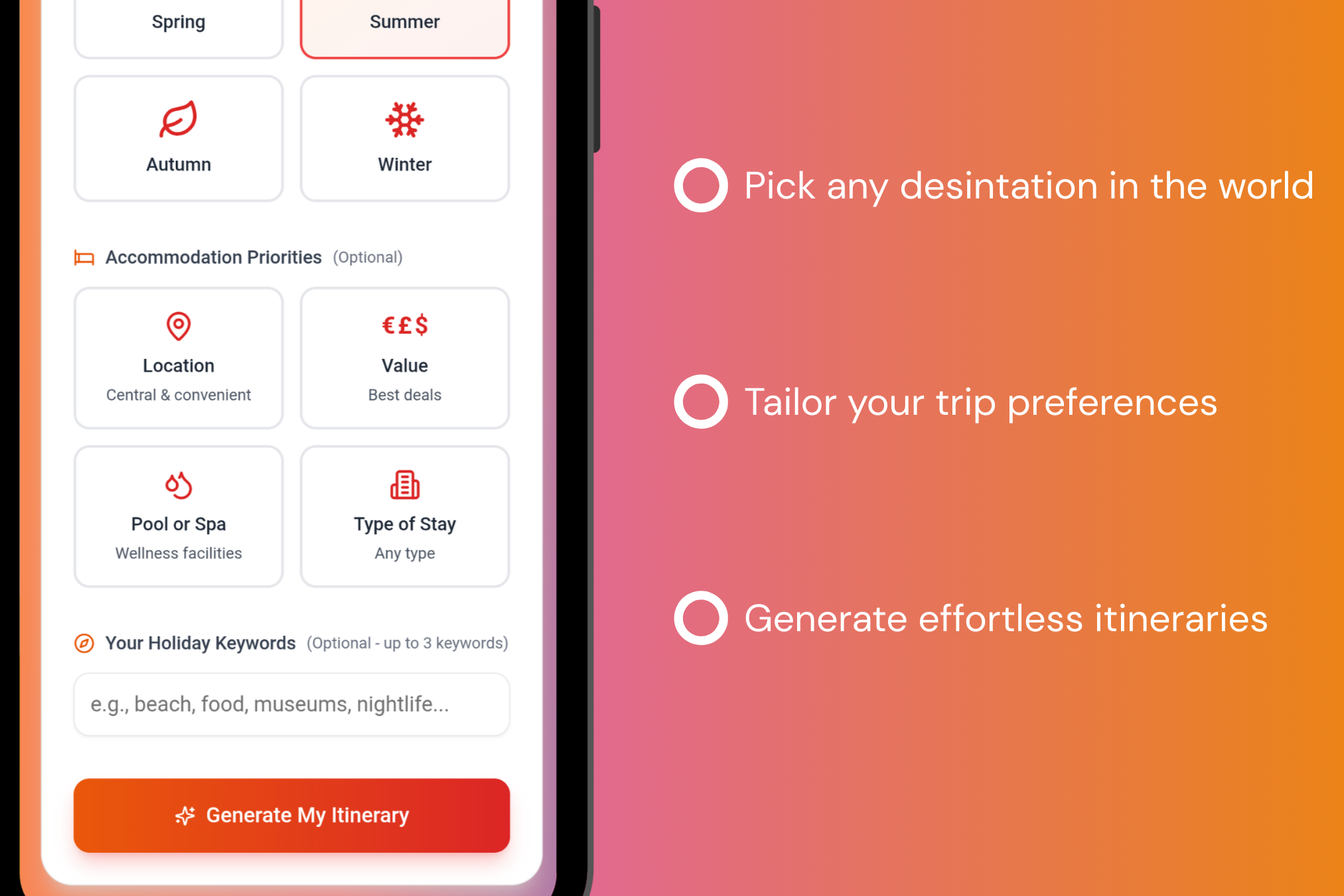
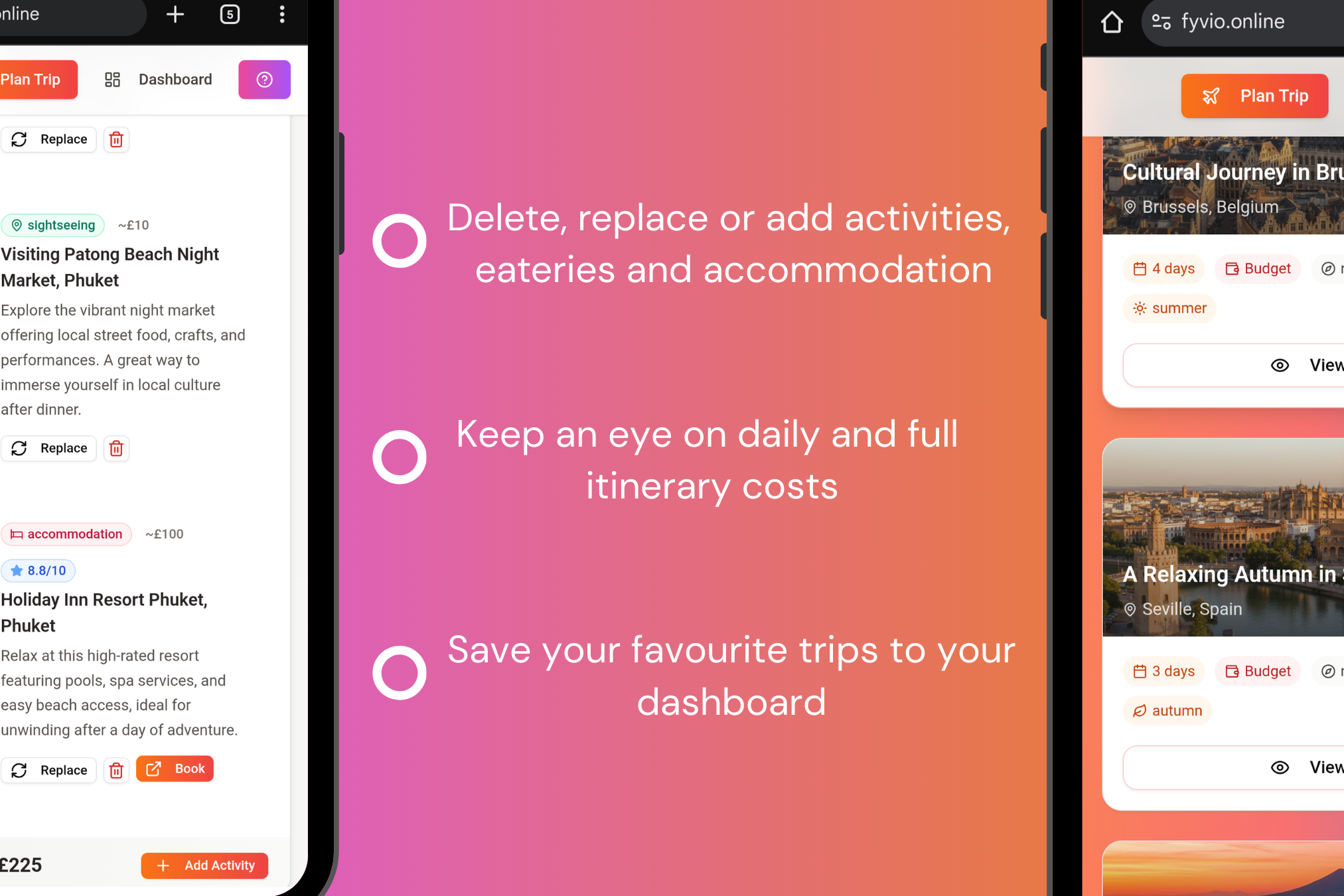
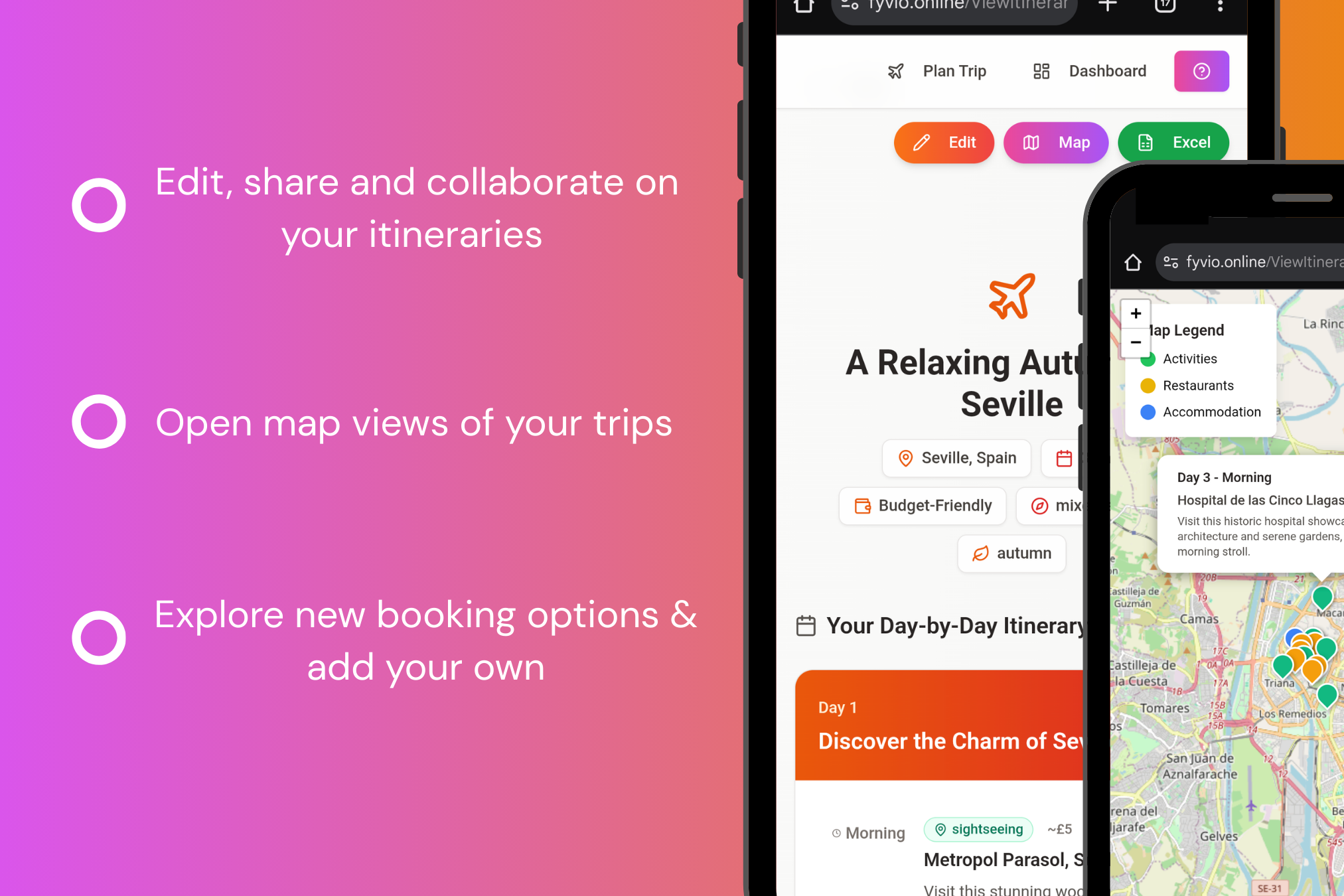
Your dream trip to anywhere with the Fyvio web app
When to Use “Top 10 Things to Do” Lists — and When to Ignore Them
Use lists to:
understand a destination
learn what’s famous
get context and inspiration
Ignore lists when:
shaping daily rhythm
planning slower trips
trying to reduce stress
designing a trip around how you want to feel
Lists are helpful tools — but poor foundations.
The Real Problem Isn’t the List
Travel advice fails when it’s treated as universal. Different trips need different starting points.
Different travellers need different structures. When planning feels hard, it’s rarely because you didn’t research enough.
It’s because you were given the wrong kind of advice for the trip you were actually trying to take. Good trips aren’t built from checklists. They’re built from alignment to your preferences and travel constraints. Start there, and then if the ‘Top 10s’ fit them, great! Just beware of using them as your primary planning tool before you’ve thought about what you want.
