
Two Ways People Plan Trips. And Why Most Advice Only Helps One
Most people who struggle with travel planning assume there’s something wrong with them. They feel overwhelmed, uninspired, or oddly disconnected from the advice they’re given. Even though they like the idea of travelling. In reality, the problem is simpler than that.
Most travel advice is built for only one way of thinking about trips.

The Two Starting Points
Almost every trip begins in one of two places.
Neither is better.
But they lead to very different planning needs.
1. Place-First Travellers

This group starts with a destination.
“I want to go to Japan.”
“We’re thinking about Italy.”
“I’ve always wanted to see New York.”
Once the place is chosen, the question becomes:
What should I do there?
Where should I stay?
How do I organise my time?
Most travel content is designed for this mindset:
city guides
top 10 lists
itineraries
hotel recommendations
For place-first travellers, the internet works reasonably well.
2. Experience-First Travellers

This group starts somewhere else entirely.
“I want a slow, walkable trip.”
“I want to reset and think.”
“I want good food and no pressure.”
“I don’t want to plan much.”
The problem is that these travellers don’t know where yet. They’re not undecided, they’re just starting from a different question. And this is where things break.
Why Most Travel Advice Fails Experience-First Travellers
Nearly all travel tools assume you’ve already answered the question:
“Where are you going?”
If you haven’t, you’re forced to:
browse destinations aimlessly
save things that look nice but don’t connect
choose a place based on vibes you can’t quite articulate
This is why experience-first travellers often say:
“Nothing feels right.”
“Everything sounds the same.”
“I don’t know why planning feels so hard.”
It’s not indecision. It’s a mismatch between the starting point and the tools available.
When the Starting Point Is Wrong, Everything Downstream Suffers
If you start with a place before you understand:
pace
mood
energy
constraints
…you often end up with trips that look good on paper but feel off in reality.
This is how people end up in:
beautiful cities they’re too tired to enjoy
busy destinations when they wanted calm
“must-see” itineraries that feel like work
The destination isn’t the problem. The order of decisions is.
This Explains a Lot of Quiet Frustration
Once you notice these two approaches, a lot clicks into place.
Why some people love itineraries and others hate them
Why “top things to do” lists feel either helpful or pointless
Why you can love a place and still feel disappointed
Most travel advice isn’t bad, it’s just context-blind. It doesn’t ask how you’re approaching the trip.
Planning Works Better When the Tool Matches the Thinker
Place-first travellers need:
filtering
prioritisation
structure
Experience-first travellers need:
translation
pattern recognition
reassurance that their preferences make sense
Treating both the same leads to frustration for one group and clarity for the other.

Where This Leaves You
If you’ve ever felt that:
travel planning feels heavier than it should
destinations don’t excite you the way they seem to excite others
you care more about how your days feel than what you “see”
You’re not doing it wrong. You’re just starting from the experience in a world built for places.
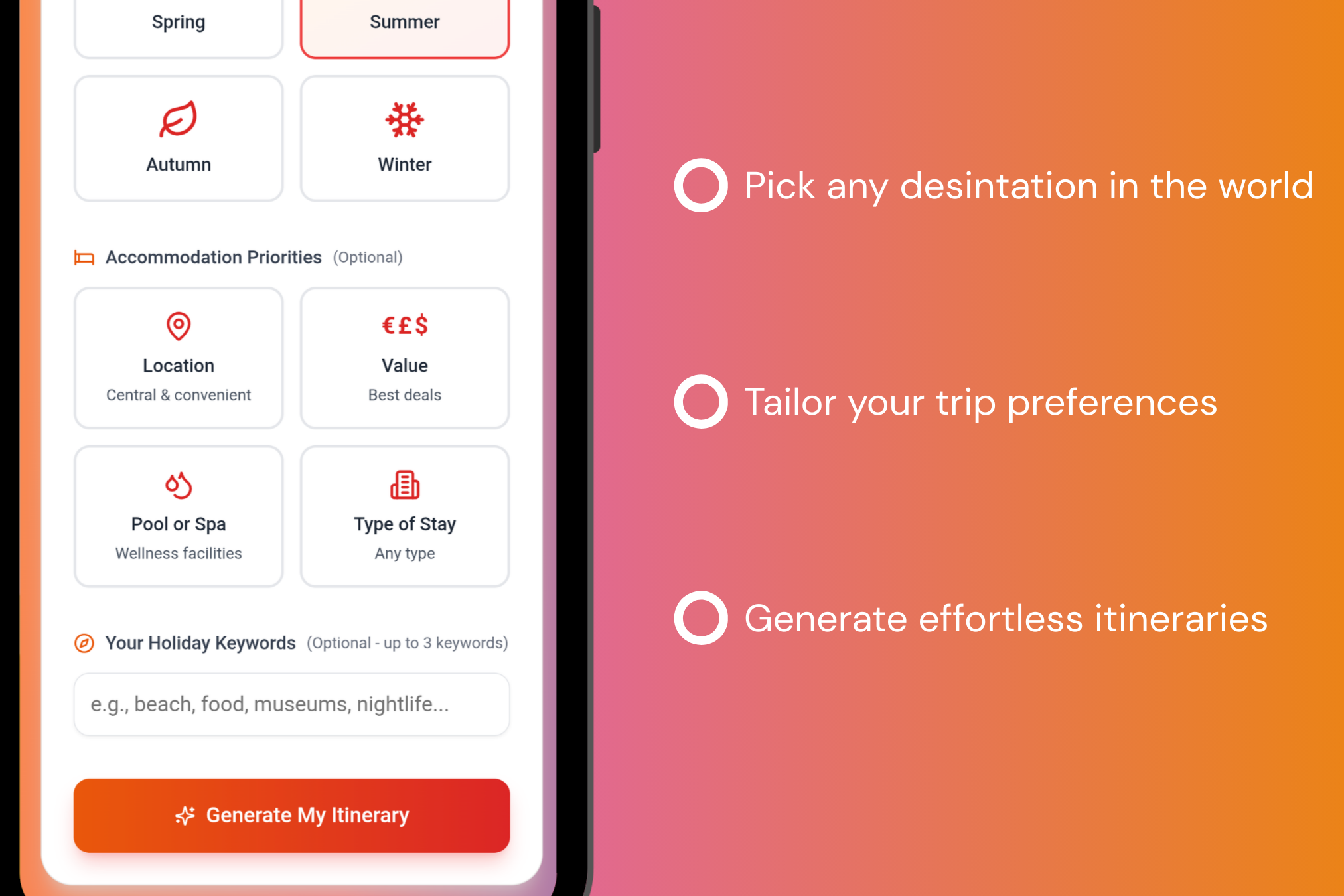
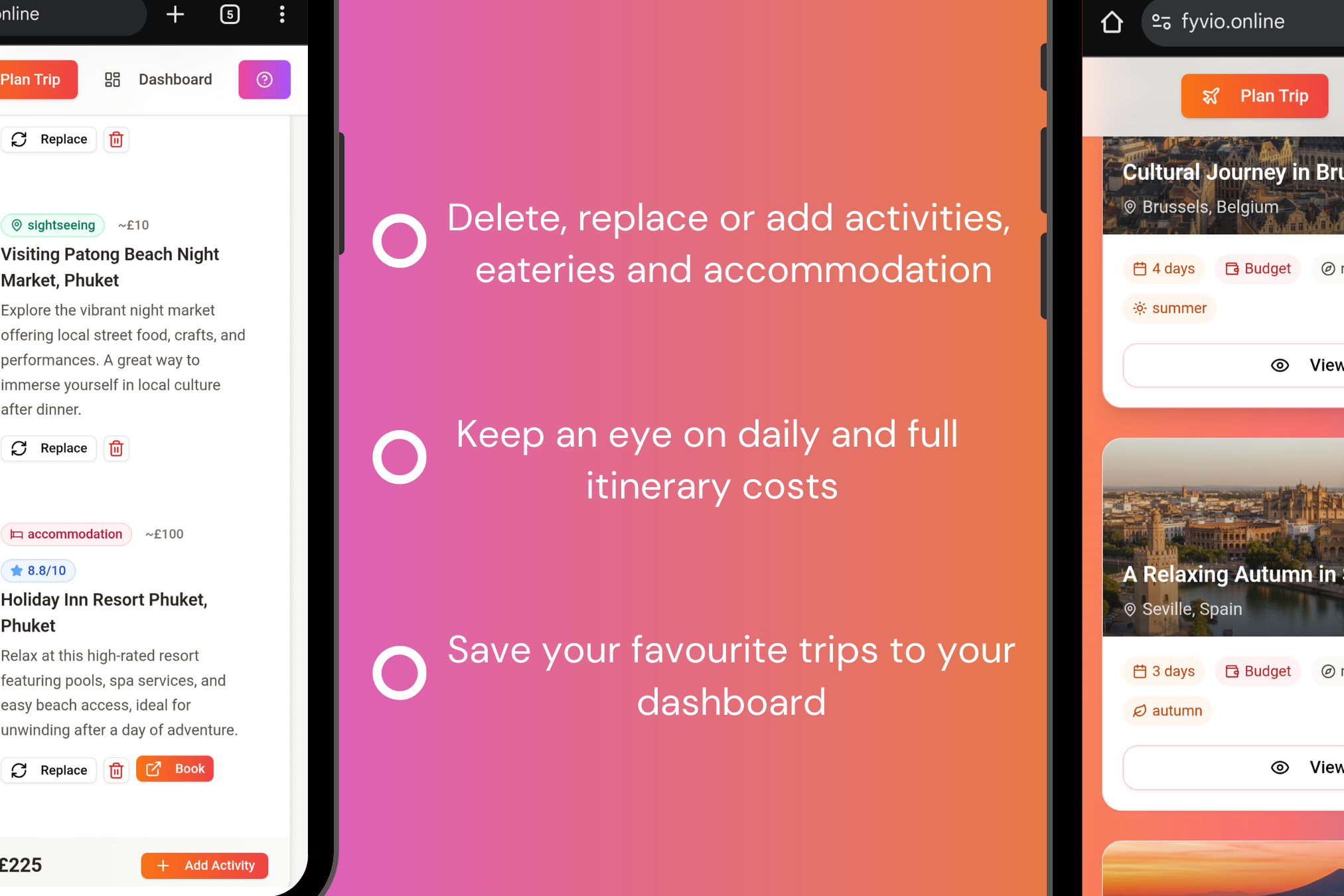
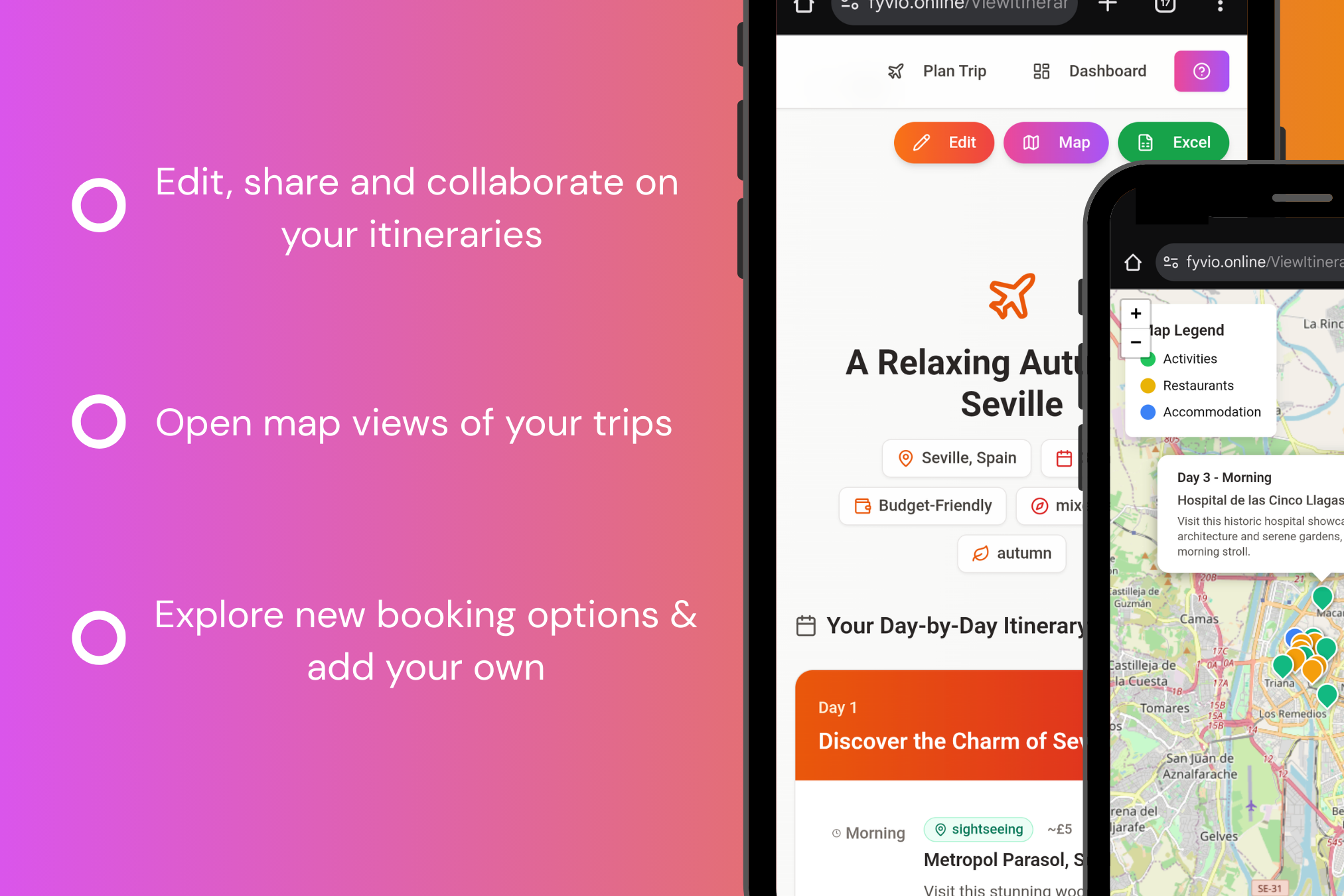
Your dream trip to anywhere with the Fyvio web app
A Different Way Forward
Once you know which starting point fits you, planning becomes simpler.
For experience-first travellers, the next step isn’t choosing a destination —
it’s clarifying the conditions you want your trip to support.
That’s where ideas like:
choosing based on pace instead of highlights
prioritising walkability over landmarks
planning without sightseeing
all start to make sense.
If that resonates, you might find this helpful too:
How to Choose Where to Go When You Don’t Care About Sightseeing.
