
How to Choose Where to Go When You Don’t Care About Sightseeing
Most travel advice assumes one thing: That you want to see things.
Landmarks. Highlights. Attractions. A list you can tick off and feel good about. But a lot of people don’t travel like that even if they think they’re supposed to.
If sightseeing isn’t what excites you, planning a trip can feel difficult or forced. Not because you don’t want to go anywhere, but because the advice you’re given doesn’t match how you actually want to spend your days.
This post is for that kind of traveller.

Why Most Travel Planning Advice Doesn’t Work for Everyone
Most guides, blogs, and apps are designed around the same question:
“What should I do when I’m there?” That works well if:
you enjoy moving from place to place
you like structure
you get energy from seeing “important” things
But if you travel to:
walk without a plan
just sit somewhere unfamiliar
eat new, untried foods and delicacies
feel a different pace of life (at your own pace)
…then “things to do” aren’t very helpful. In fact, they can actively get in the way.
What to Prioritise If You Don’t Care About Sightseeing
People who say they “don’t care about sightseeing” usually care deeply about other things that are just harder to articulate.
Often it’s one (or more) of these:

Pace
Slow mornings. No rushing. Few commitments.Walkability
Being able to leave your accommodation and just exist.Everyday Life
Cafés, grocery stores, neighbourhood streets.Mood
Calm, stimulation, anonymity, novelty, or comfort.Mental Space
Time to think, read, reset, or feel small.
These aren’t attractions, they’re conditions. And that’s the key shift in thinking. Once you’re there, the pressure to pack in the “best thing to do…”, gets, well, packed in.
How to Choose Where to Travel Without Focusing on Attractions
If sightseeing isn’t your priority, choosing a destination first often creates unnecessary pressure.
Instead of asking “Where should I go?” (a question that invites endless options), it’s usually more helpful to start somewhere more straightforward. Begin with how you want an average day to feel.
Not the best day of the trip.
Not the highlight.
Just an ordinary day.
Do you want slow mornings or momentum? Do you want to walk everywhere, or does transport matter less? Do you want background stimulation, or somewhere that lets you think? These answers matter more than landmarks.
Once you’re clear on the rhythm you want, destinations stop feeling abstract. Some places naturally support certain ways of living, even if they aren’t famous for attractions.
At that point, you’re no longer choosing between cities. You’re choosing between ways of spending your time. That shift tends to make planning feel lighter, and decisions clearer.
Once you’re clear on the conditions, the list of suitable places gets smaller, and better.
Why This Kind of Perspective is less Common
This style of travel is underrepresented because:
it doesn’t photograph well
it’s personal, not impressive
it can’t be summarised in a list
Two people can visit the same city and have entirely different experiences depending on:
neighbourhood
time of year
daily rhythm
expectations
That’s why advice that works for one person often feels irrelevant to another.
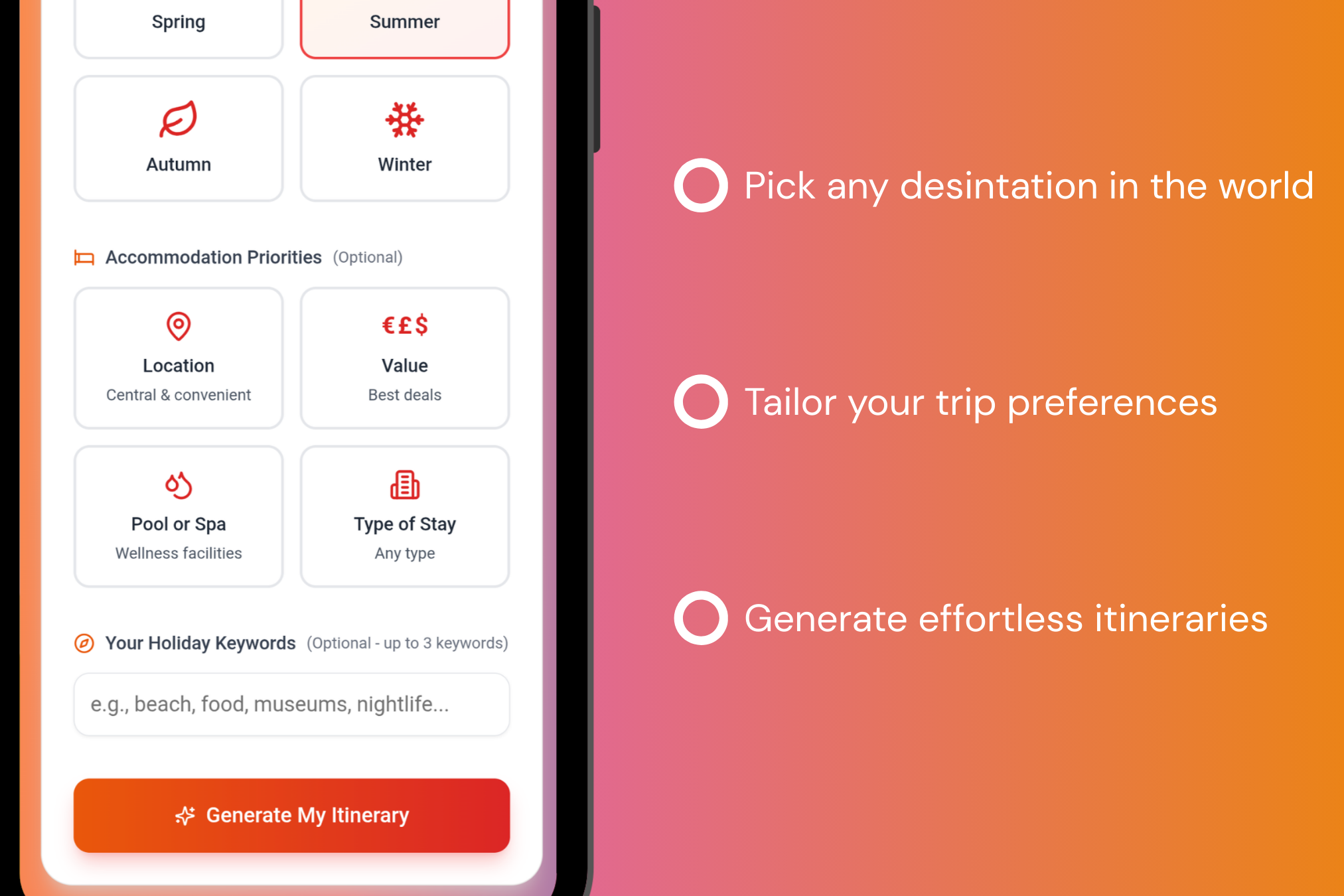
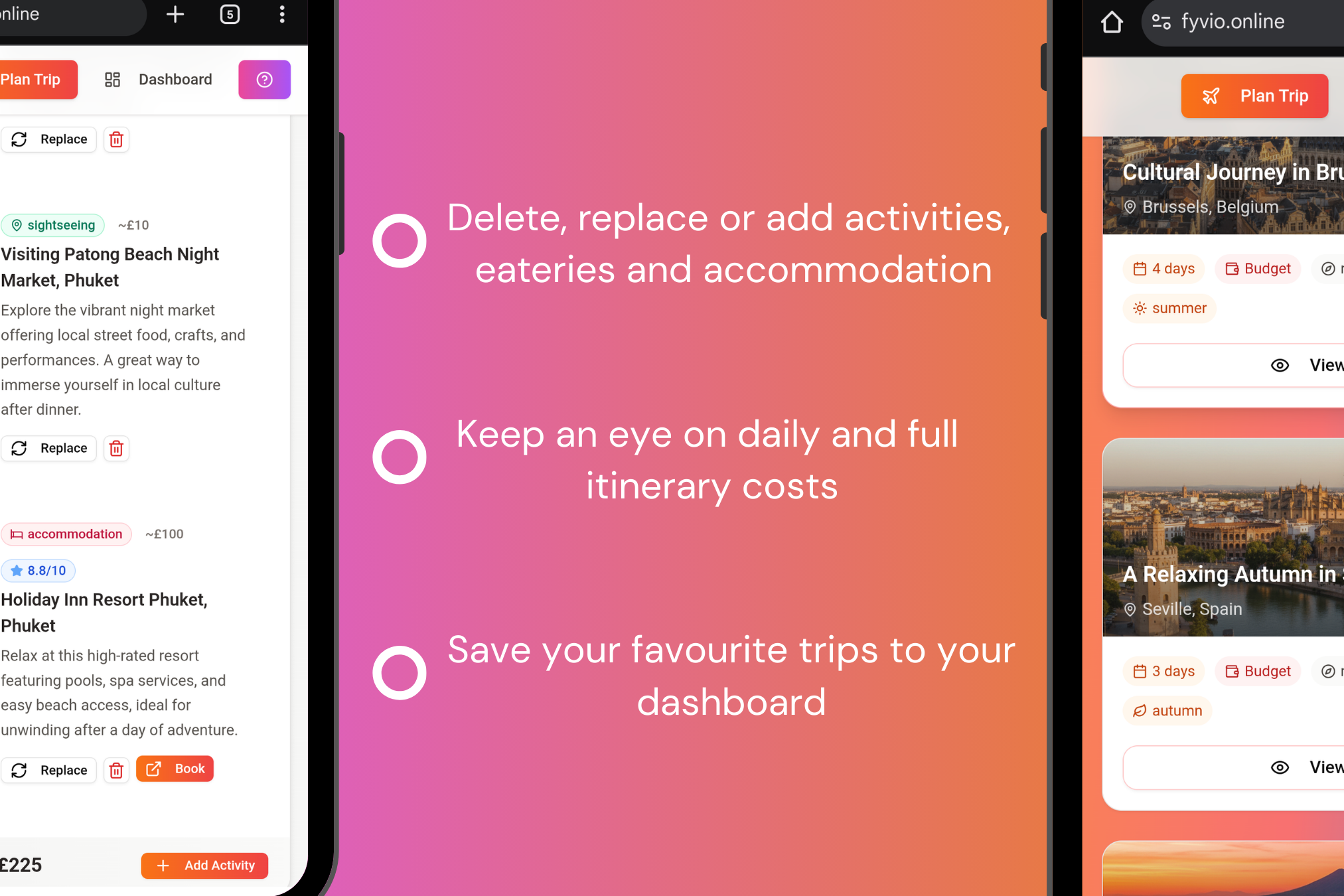
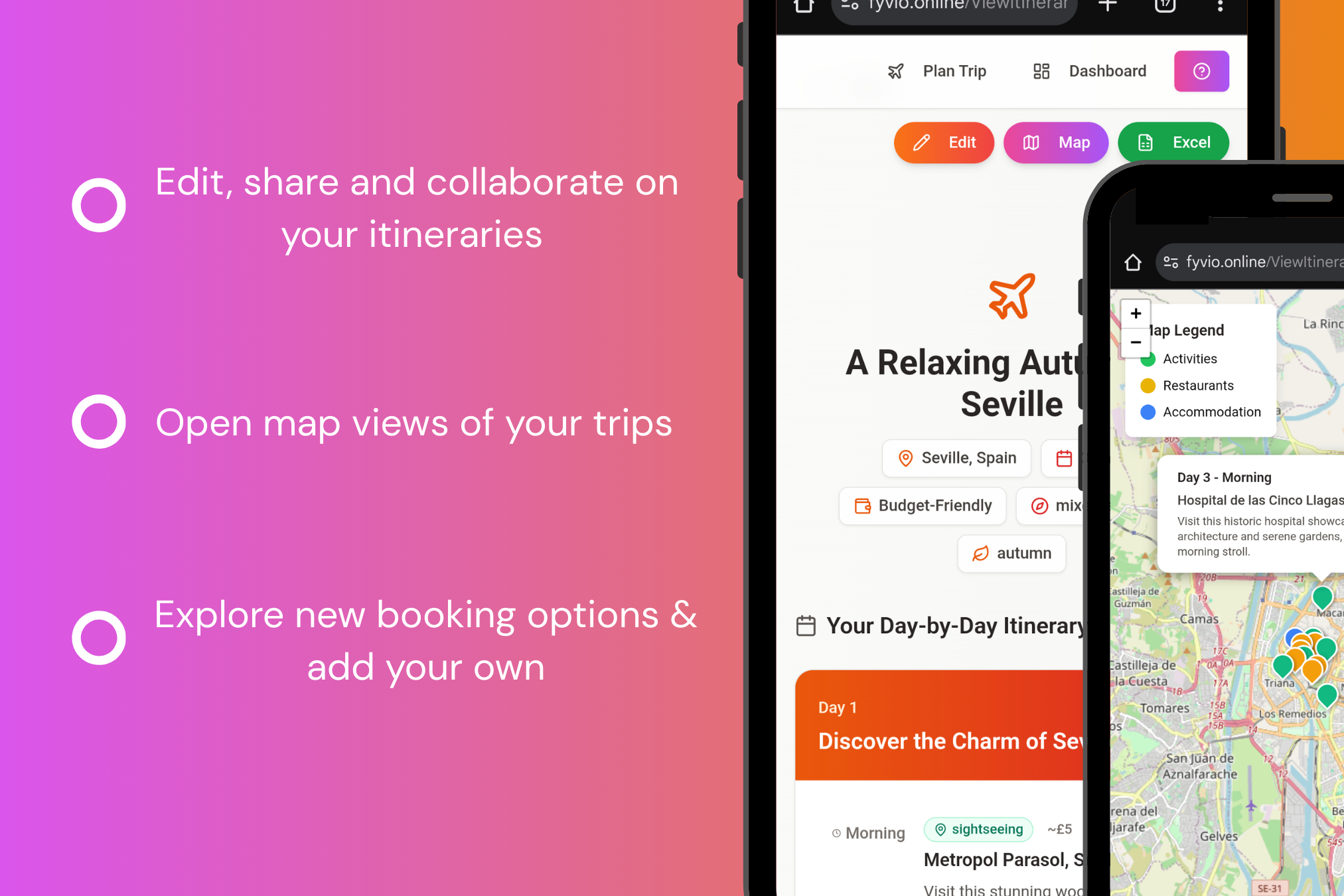
Your dream trip to anywhere with the Fyvio web app
A Simple Way to Narrow Down Options
If sightseeing isn’t your priority, use this order instead:
Start with how you want to spend an average day
Not your best day, your normal one.Add constraints
Time, season, energy, budget, mobility.Then translate that into places
Cities, towns, or regions that naturally support your preferences.
At this point, you’re no longer asking “Is this place good?” You’re asking “Does this place support the way I want to live for a week or two?” That’s a much easier question to answer.
You’re Not Bad at Travel
If travel planning has felt overwhelming or uninspiring, it’s not because you’re doing it wrong. It’s because most advice assumes a version of travel you don’t actually want. Once you plan around experience first, places stop being the hard part. They just become interchangeable. The world opens up!

Frequently Asked Questions
Is it okay to travel without sightseeing?
Yes, feel no shame! Many people travel to change pace, environment, or routine, and not necessarily to visit attractions. There’s no “correct” way to travel.
How do I choose a destination if I don’t like tourist attractions?
Start by deciding how you want your days to feel (slow, walkable, calm, stimulating), then look for places and activities that naturally support that rhythm.
What kind of destinations are best if I don’t like sightseeing?
Cities or towns where a sense everyday life is visible amongst the tourism. Look out for good walkability, infrastructure, and definable areas that match your preferences, especially in attraction-heavy destinations.
